

In case your intestine is telling you the distinction between actual sugar and a man-made sweetener, it might be proper, in keeping with a latest Duke examine revealed not too long ago in Nature Neuroscience.
Across the time the style receptors had been found 20 years in the past, scientists tried to remove the style buds in mice, however had been stunned the mice not solely may inform the distinction between pure and synthetic sugar, however they even most popular actual sugar over the substitute sweeteners, regardless of having no sense of style, in keeping with the Duke press release.
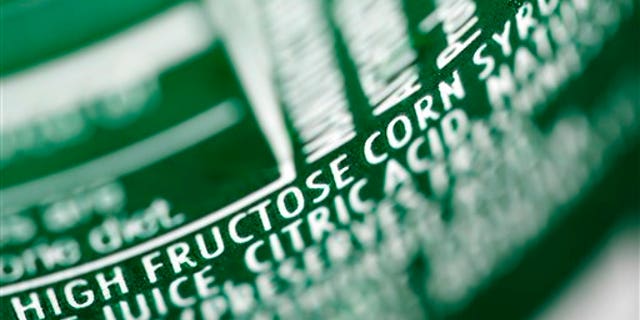
Scientists have used imaging checks to point out for the primary time that fructose can set off mind adjustments which will result in overeating.
(AP)
Scientists lastly assume they know why.
"We’ve identified the cells that make us eat sugar, and they are in the gut," stated Dr. Diego Bohórquez, an affiliate professor of drugs and neurobiology within the Duke College Faculty of Medication, who led the research.
LONG-TERM USE OF ACID REFLUX MEDS LINKED TO 24% INCREASE IN DIABETES: STUDY
As soon as eaten, meals particles enter the small gut, which is roofed with velvety villi, the place every villus is roofed with a single layer of epithelium, however Bohórquez found one of many cells within the epithelium layer is exclusive, as a result of it not solely communicates with hormones, but in addition with nerves, together with the vagus nerve. Bohórquez created a video to elucidate his discovery.

Brown sugar and wood spoon shut up
(iStock)
Though these cells had been initially described as enteroendocrine cells as a result of they launched hormones within the intestine, he known as these neuropod cells, due to their skill to speak with neurons that not solely produce slow-acting hormone alerts, but in addition fast-acting neurotransmitter alerts to the mind inside milliseconds, the press launched added.
Bohórquez stated his findings confirmed the neuropod cells had been just like the style buds in our tongue or the retinal cells in our eyes that assist us see colours.
"These cells work just like the retinal cone cells that are able to sense the wavelength of light," Bohórquez noted.
"They sense traces of sugar versus sweetener after which they launch totally different neurotransmitters that go into totally different cells within the vagus nerve, and in the end, the animal is aware of ‘this is sugar’ or ‘this is sweetener.’"
STRESS MAY BE THE CULPRIT BEHIND CROHN'S DISEASE, STUDY FINDS
The press launch stated researchers used lab-grown organoids, that are tissue cultures derived from stem cells, to imitate the higher and decrease small gut, then carried out an experiment that confirmed pure sugar stimulated the neuropod cells to launch the neurotransmitter glutamate whereas synthetic sugar launched a unique neurotransmitter known as ATP.
The scientists then utilized a expertise known as optogenetics to ship mild by way of a versatile waveguide fiber by way of the intestine of a residing mouse to "turn off" the neuropod cells, discovering when the neuropod cells had been "switched off," the mouse now not had a desire for actual sugar, the discharge added.
When the researchers infused sugar instantly into decrease elements of the gut or the colon, it didn't have the identical impact because the higher a part of the small gut often called the duodenum, in any other case often called the "upper gut," which is simply previous the abdomen, per the release.
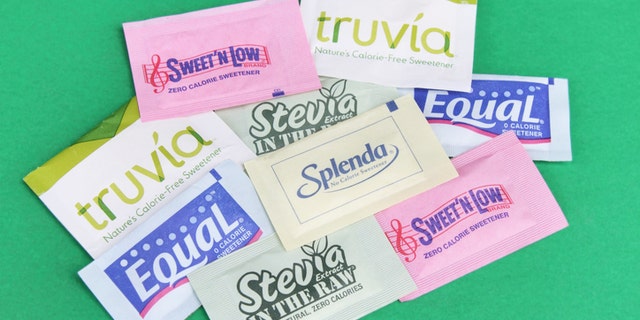
Research suggests your physique is aware of the distinction between sugar and synthetic sweeteners.
(iStock)
"We trust our gut with the food we eat," Bohórquez stated. "Sugar has both taste and nutritive value and the gut is able to identify both."
"Many people struggle with sugar cravings, and now we have a better understanding of how the gut senses sugars (and why artificial sweeteners don’t curb those cravings)," added Dr. Kelly Buchanan, an inner medication resident at Massachusetts Normal Hospital who was a co-author on the examine, additionally noting, "We hope to focus on this circuit to deal with illnesses we see day-after-day within the clinic."
"We always talk about ‘a gut sense,’ and say things like ‘trust your gut,’ well, there’s something to this," Bohórquez said.
All Images and Video are Copyright to their Respected Owners


